
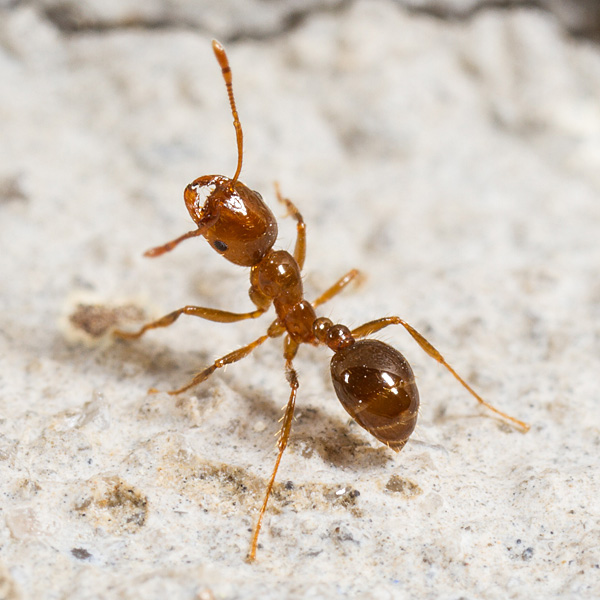
Red fire ant
Solenopsis invicta
- Insect with chitinous carapace
- Crawling, stinging, sucking, poisonous
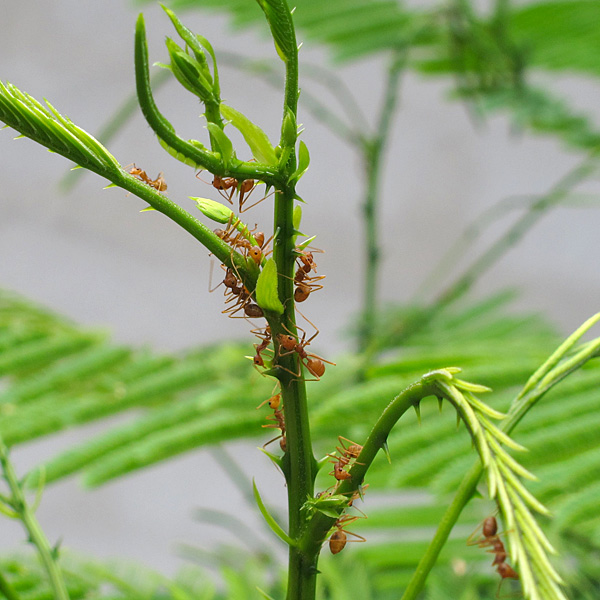
Red fire ants are useful in fighting other insects and ants. However, they are nuisances to humans as they attack immediately and can cause severe skin reactions from their bites.
Transmission of diseases
- Red fire ants, not to be confused with red wood ants (Formica rufa), are not disease carriers, but they often cause allergies in humans.
- Red fire ants attack immediately because the warmth and texture of the skin indicate to them that they have come across something edible. They can bite an unlimited number of times, leaving venom in the victim’s body each time.
- In Texas, about 13% of the population is attacked by red fire ants each year – more than by the notorious “killer bees” or wasps in the same period.
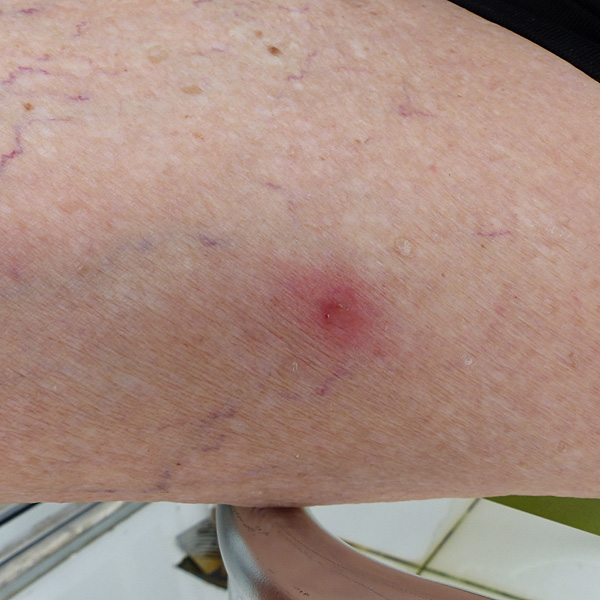
- When the little ant attacks, it uses its jaws and the stinger on its abdomen. First, it bites into the skin and injects poison into the resulting wound. It repeats this several times within a short time. The venom consists mainly of highly potent alkaloids that can cause a burning reaction on the skin with a slight delay. The affected area turns fiery red and forms pustules, allergy sufferers experience shock reactions.
- Encounters with individual ants are therefore only dangerous for allergy sufferers. However, if a colony is disturbed, hundreds of them will pounce on the potential attacker. Severe “burns” and life-threatening shock reactions are the result of this encounter.
- If allergy or shock symptoms occur, the affected person should seek medical attention immediately. Typical first mild symptoms can be nausea, vomiting, diarrhoea or breathing difficulties. It becomes more dangerous with swelling, dizziness or even unconsciousness and even cardiac arrest.
In which area does the pest occur?
The area of application decides which products are recommended to control this pest.