
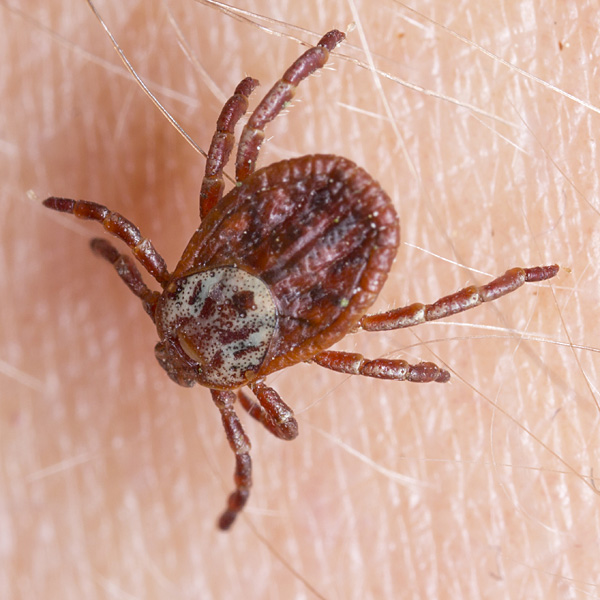
Tick
Ixodida
- Insect with chitinous carapace
- Crawling, biting, sucking
- Parasite, disease vector
- Hygiene and health pest
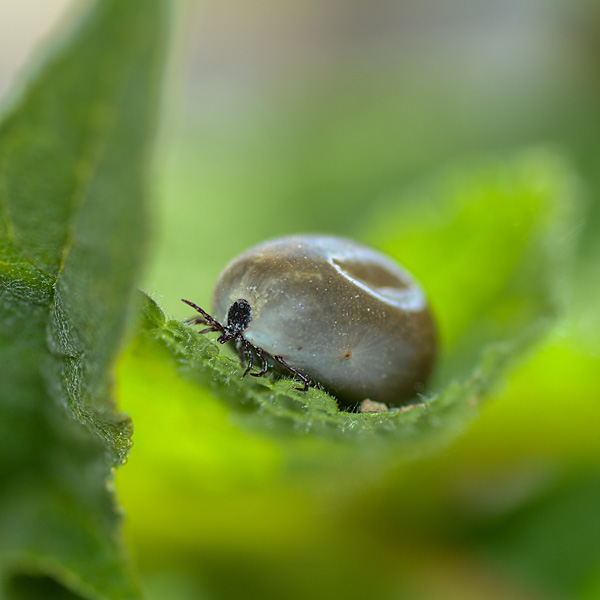
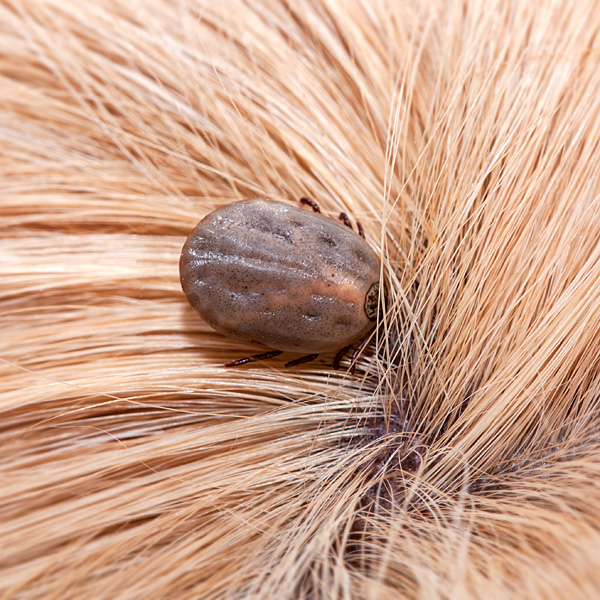
This blood-sucking parasite called a tick is considered by experts to be one of the most dangerous insects. Even more than humans, cats and dogs as well as horses and wild animals are among its preferred victims.
Transmission of diseases
- Ticks in Europe transmit two main diseases, early summer Meningoencephalitis (TBE, a virus) and Lyme Disease (bacteria). There is currently no vaccination against Lyme Disease, but this bacterial infection can be treated well with antibiotics.
- The saliva of ticks contains substances that prevent blood clotting or infection of the bite site. This allows ticks to suck blood undisturbed. Viruses and bacteria enter the wound via the saliva. After a bite, the pathogen is spread through the blood in the host’s body.
- Tick bites are considered dangerous to humans because TBE and Lyme Disease are usually serious illnesses.
- In tropical and subtropical areas, warnings are issued to prevent dogs from bringing ticks into homes during the rainy season. They are called “the silent menace in the rainy season” and infest children in particular. The risk of infection is considerable.
In which area does the pest occur?
The area of application decides which products are recommended to control this pest.